Short answer: Wholesale buying of agricultural drones works in four steps: order one sample, test it, place a first stock order with a mix of models, batteries and spare parts, then plan repeat orders. Ask the supplier for minimum order, price levels by quantity, lead time and payment terms in writing. FLYZOR does not publish wholesale prices or minimum quantities; these are agreed in the quotation. The example below uses invented numbers to show the method.
Wholesale is more than a bigger order
A dealer or importer does not only buy aircraft. The stock must be usable and supportable: batteries, chargers, spare parts, manuals in your language and a plan for training. A first order that is all aircraft and no parts will fail the first time a propeller breaks.
If you are still choosing a business model, read our dealership guide and the distributor agreement checklist. For the supplier check, see the supplier checklist.
Step 1: the sample unit
Order one unit of the model you expect to sell most, with the batteries and charger that come with the standard order. Use it for three things: test the product in your fields, show it to two or three likely customers, and measure real work output with our daily work rate guide. Ask which parts of the sample cost belong to the first stock order, if any; this is a point to discuss in the quotation.
Step 2: the first stock order
Choose models by your customers, not by your wishes. Use the three questions below.
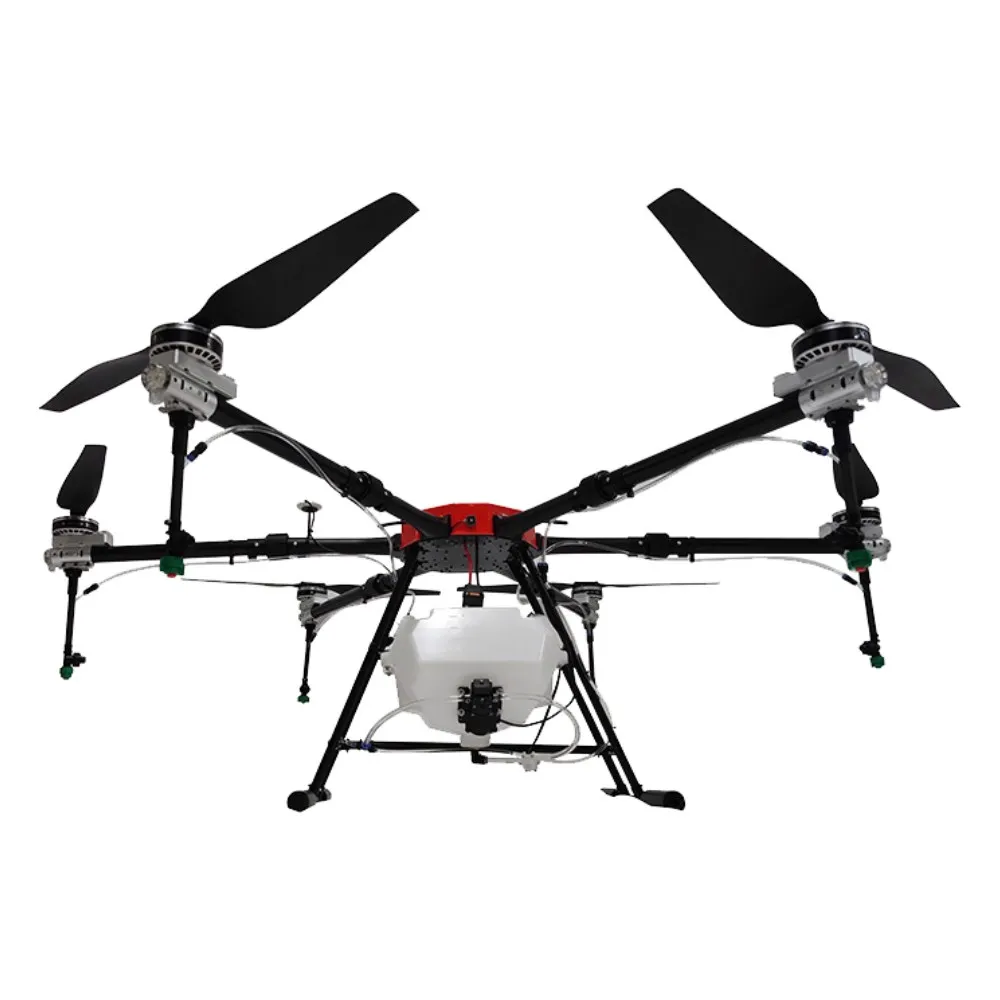
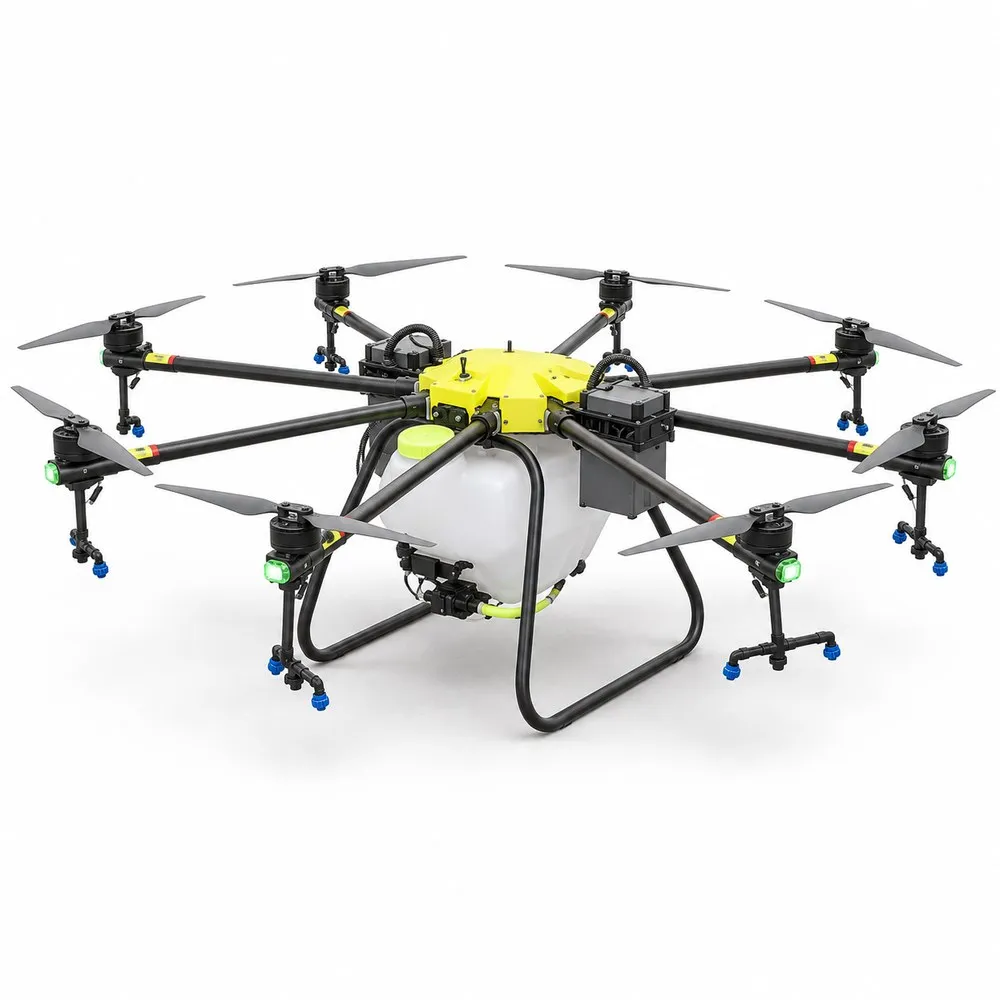
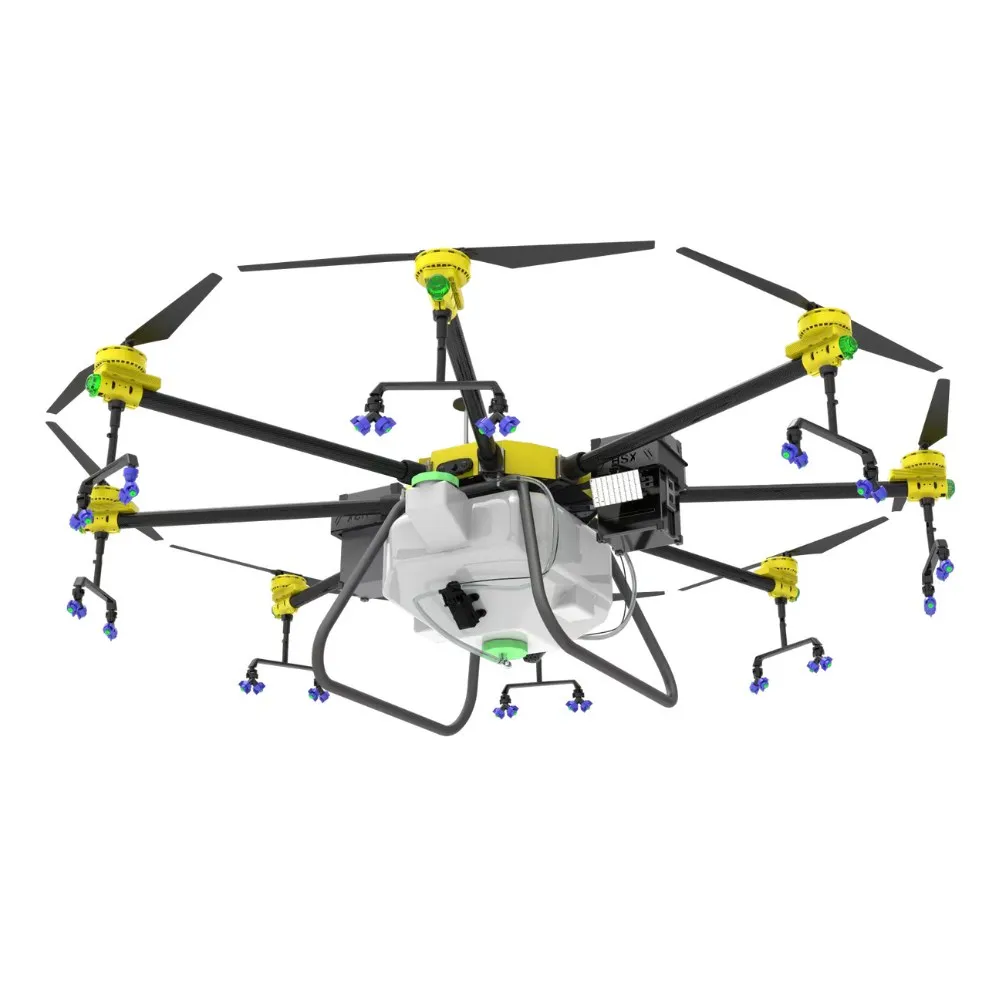
- What fields do customers have? Small plots and terraces suit a compact drone like the F10-30 series. Medium farms and service teams suit the F52. Large open blocks suit the F72.
- What power is on site? Chargers need a generator or a strong supply. See the battery guide.
- Who will support it? Do you have a technician? If not, include training and a parts pack.
Example: a first order for a new dealer (illustration only)
This is an example to show how to plan, not an offer or a price list. A dealer expects to sell 6 drones in the first season in a country with medium farms and a few small-plot customers.
| Item | Quantity | Reason |
|---|---|---|
| F52 | 3 | Main model for service teams and medium farms |
| F72 | 1 | For a large contractor customer who asked for it |
| F10-30 series | 2 | Small plots, demonstration to cooperatives |
| Battery sets | Three per drone, 18 in total | One flies, one cools, one charges (check each model's pack list) |
| Chargers and generator advice | As per model | Match the charger rating and the power on site |
| Spare parts pack | Agreed share of order value | Propellers, nozzles, filters, pumps, seals |
| Training | Remote or on-site, for 2–3 technicians | So that simple repairs are done locally |
Not every dealer needs this mix. Some start with the sample and 2 units, then add after the season. The point is to write down why each line is there.
Spare parts share
Parts planning depends on use, dust, field types and pilot skill. A usual method: list parts by wear rate (propellers and nozzles first, pumps and motors later), estimate the number of flying hours per drone, and then take a share of the order value as parts for the first season. Review after the season and re-order. See the spare parts list. Ask the supplier which parts need to be in stock locally and which can be shipped from the factory.
Prices, quantity levels and minimums
Wholesale quotes usually show price levels by quantity. Compare them by line: the aircraft, each battery set, the charger, the spare pack and the training. Make sure two quotes include the same items. Ask whether a mixed-model order counts toward the same level, whether the price is held for a number of days, and what happens to the price if your order grows.
Lead time
Lead time has parts: production, testing, packing, booking and freight. Our F52 page says production usually takes 4–8 working days per drone, and freight time depends on your port. For a stock order, ask for the date plan in writing: deposit, production start, inspection, shipping. If your sales season starts on a fixed month, work backwards from that date and place the order early. Read the battery shipping guide because lithium batteries can add time to the route.
Payment and delivery terms
The usual structure is a deposit at order and the balance before shipment, by bank transfer to a company account that matches the contract. Delivery terms (Incoterms, published by the ICC) set who pays freight and insurance and where the risk passes. Choose terms you understand and can manage with your forwarder. For larger first orders, ask your bank about safer payment methods and think about an independent inspection.
Repeat orders
After the first season, you will know which models sell and which parts break. Use that to plan the second order and to ask for better terms. Write a short list: units sold, parts used, customer comments, repairs. A supplier who sees this data can plan stock for you.
Next step
Tell us your country, crops, number of customers you can reach and the models you are interested in. We will suggest a sample plan and quote terms. Use the dealer page, the OEM page if you want your own brand, or contact us.