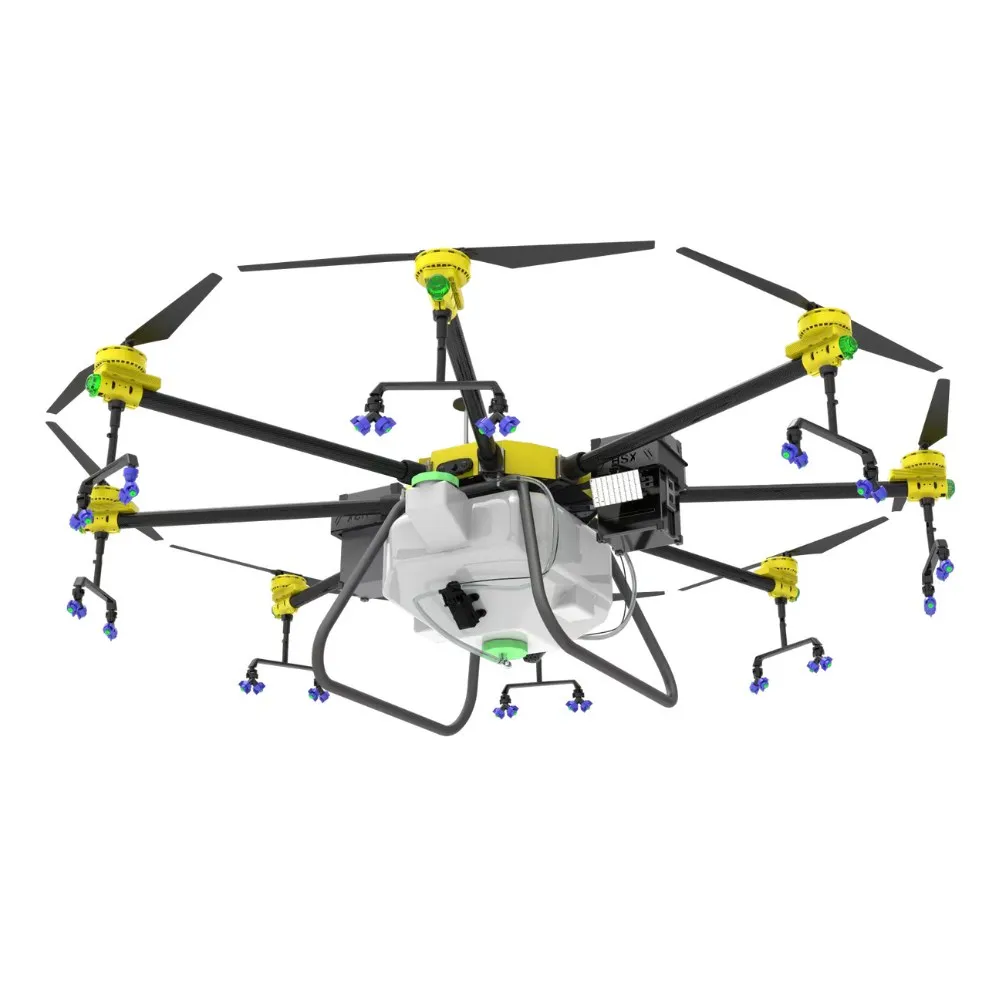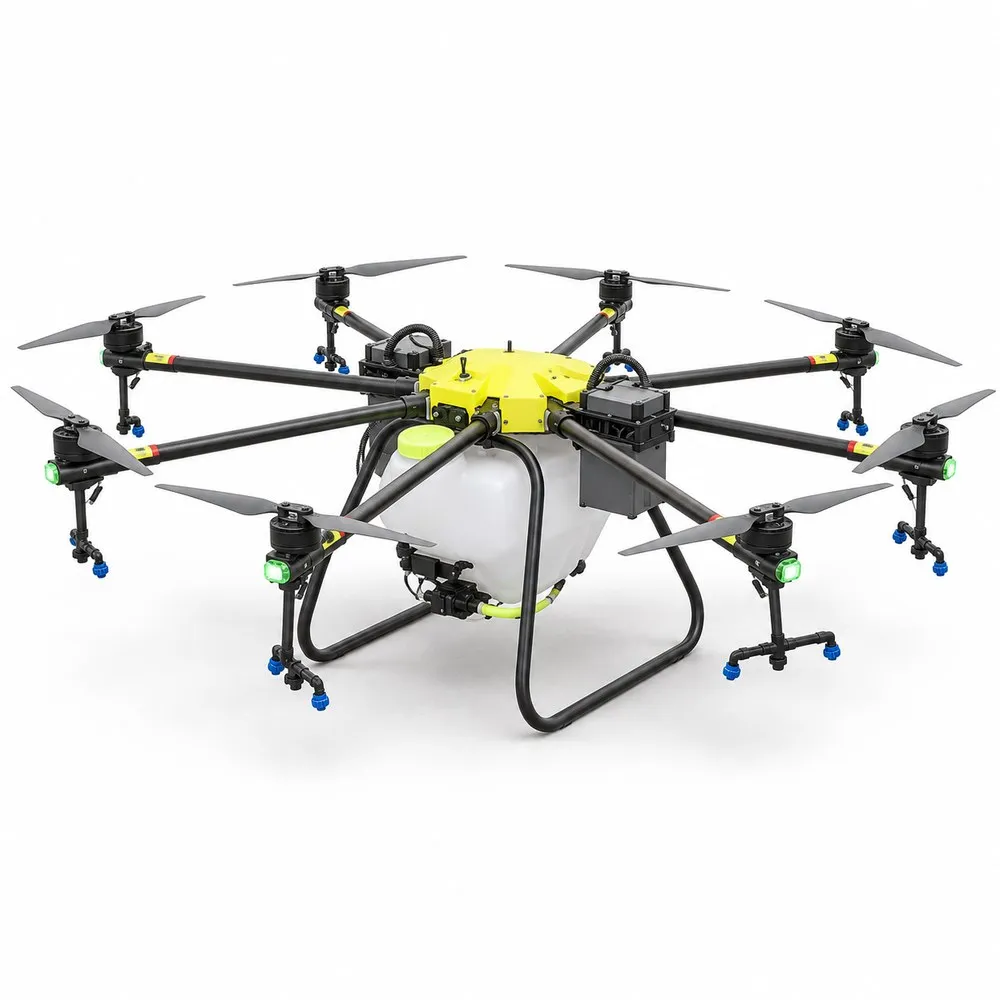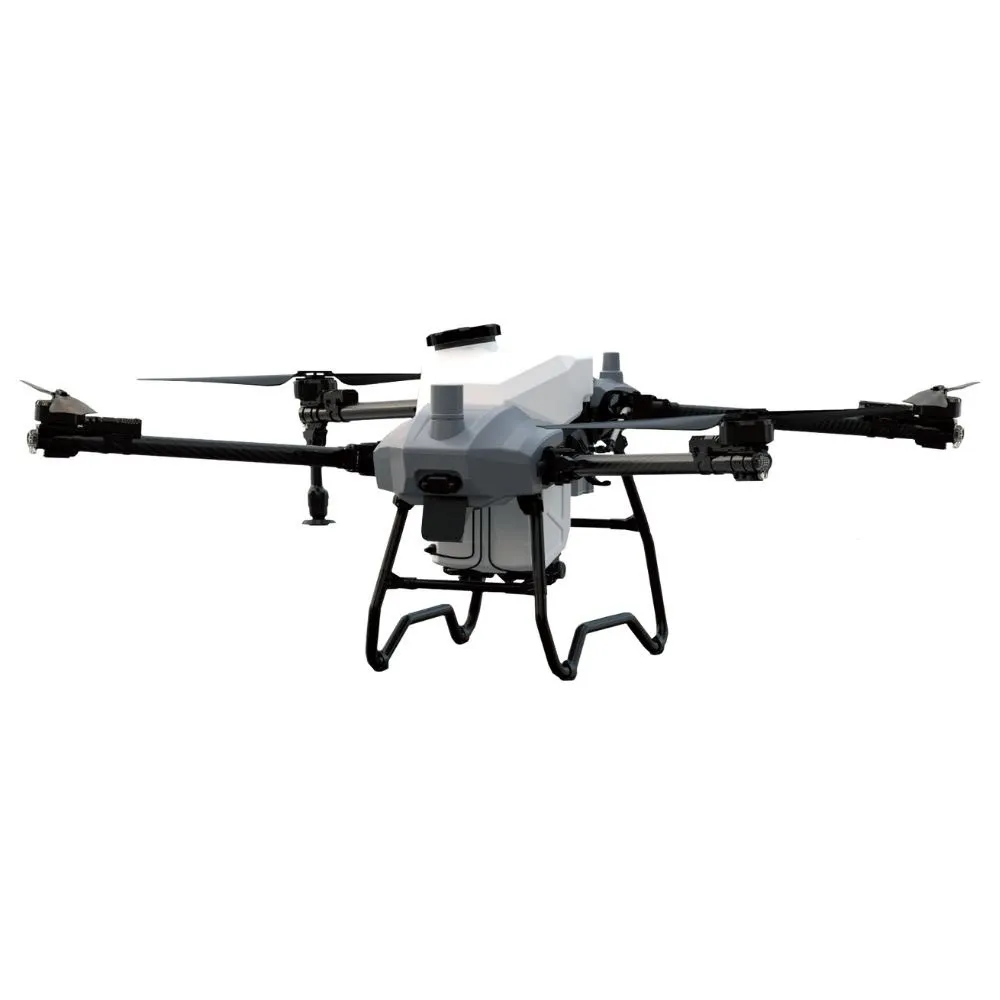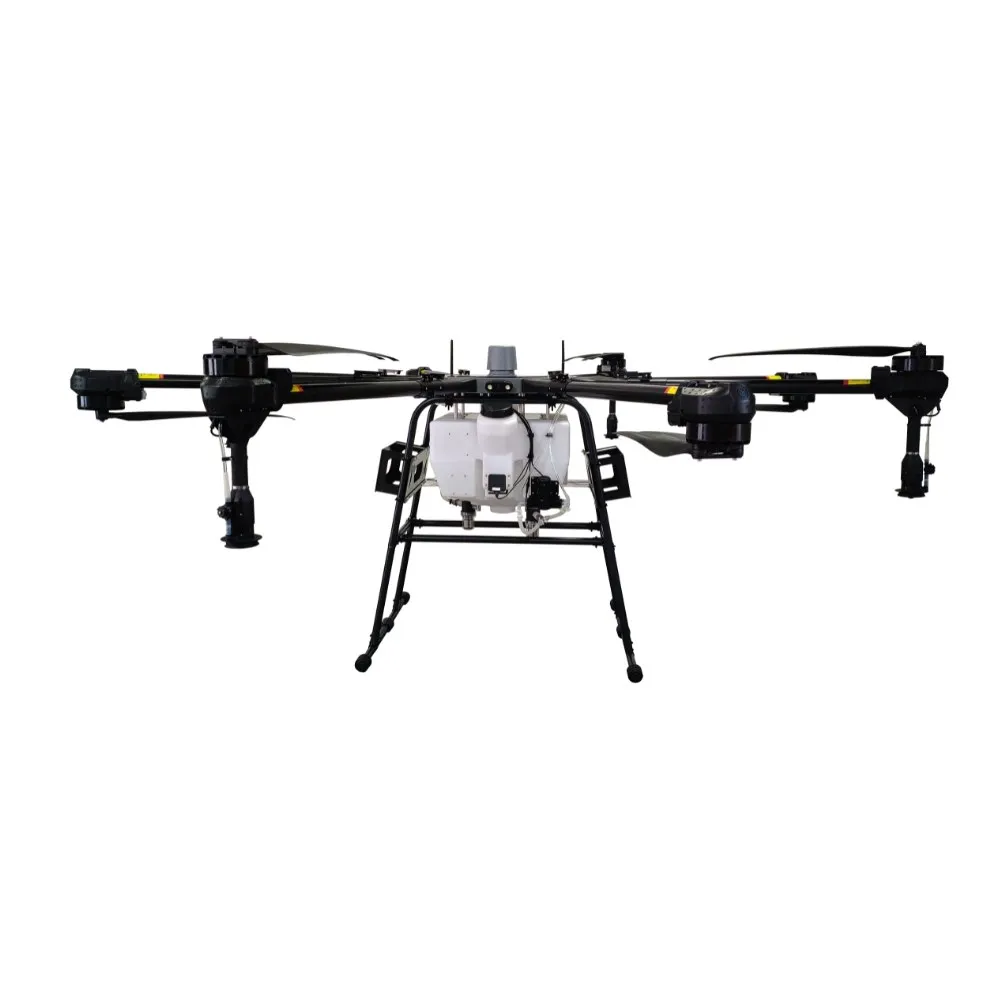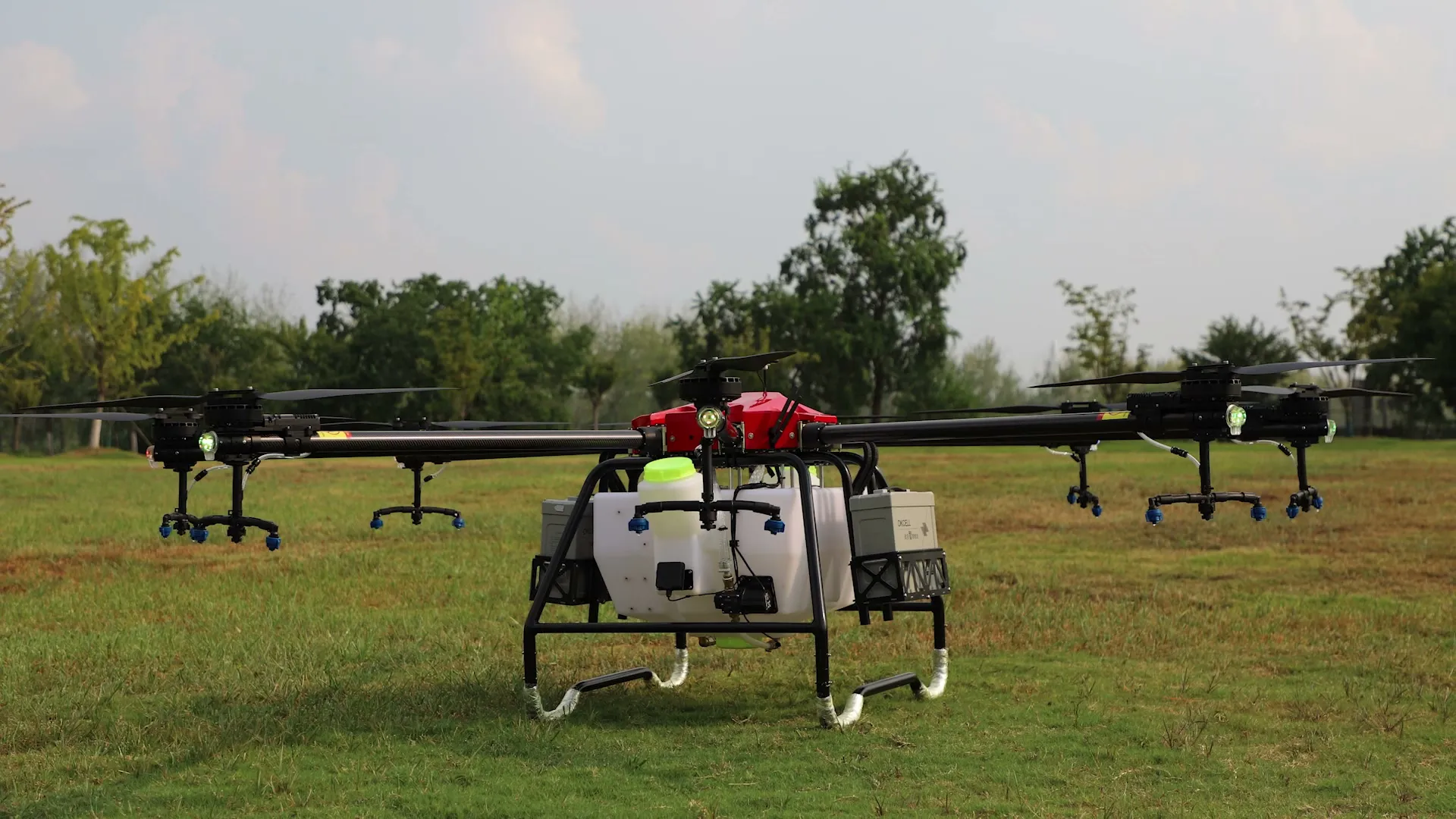
Short answer: A drone spray service makes money by selling hectares. Start from the area you can realistically sell in your busiest weeks, then size the fleet: usually one or two large drones such as the F72 or F52, three to four battery sets per drone, a generator and a trained crew. The payback depends on price per hectare, cost per hectare and how many hectares you sell per season.
Why spray services are growing
Farm labour is getting scarce and expensive in many regions, while growers want timely spraying without buying their own machine. A drone service with a reliable crew can treat fields that ground machines cannot reach after rain, and it can move quickly between farms. For dealers, running or supporting a service team is also the best demonstration of the product.
Step 1: size the market
List the crops, the number of spray rounds per season, and the hectares you can sign up. Think about the peak: if most customers want spraying in the same two weeks, the fleet must handle that peak, not the average.
Step 2: choose the drones
| Business type | Typical choice |
|---|---|
| Large field crops, regular blocks | F72 or F92 |
| Mixed crops, many small farms | F52 or F62/F50 |
| Orchards and vegetables | F30C/F50C or F10-30 series |
| Spraying plus spreading | F52, F72 or F92 with a spreading box |
Step 3: plan batteries, power and transport
Output is limited by how fast you can refill and swap batteries. Plan for each drone:
- three to four battery sets and a fast charger;
- a generator large enough for the chargers;
- a pickup or trailer that carries the folded drone, water tank and generator;
- a mixing station with a transfer pump.
Step 4: crew and training
A typical crew is one pilot plus one or two helpers. Pilots need training on the drone and, in most countries, a certificate. Helpers need training in safe mixing and battery handling. Keep a flight log and a spray record for every customer.
Step 5: a simple payback example
The numbers below are an example only; replace them with your local prices and costs.
| Item | Example value |
|---|---|
| Hectares sold per season | 3000 ha |
| Price charged per hectare | P |
| Running cost per hectare (fuel, wages, battery wear, repairs) | C |
| Margin per season | 3000 × (P − C) |
| Investment (drones, batteries, generator, vehicle fit-out) | I |
| Seasons to pay back | I ÷ [3000 × (P − C)] |
If your margin per hectare is small, payback depends on selling more hectares: add spreading work, a second crop season or contracts with cooperatives.
Step 6: rules and insurance
Check pilot certification, drone registration, approval of products for aerial application and distance rules near homes and water. Third-party insurance protects you and your customers.
How FLYZOR supports service teams
We help size the fleet and battery sets, train your pilots and technicians, and supply spare-parts kits so a broken propeller or pump does not stop the season. Service companies that want to sell drones too can join our dealer program.