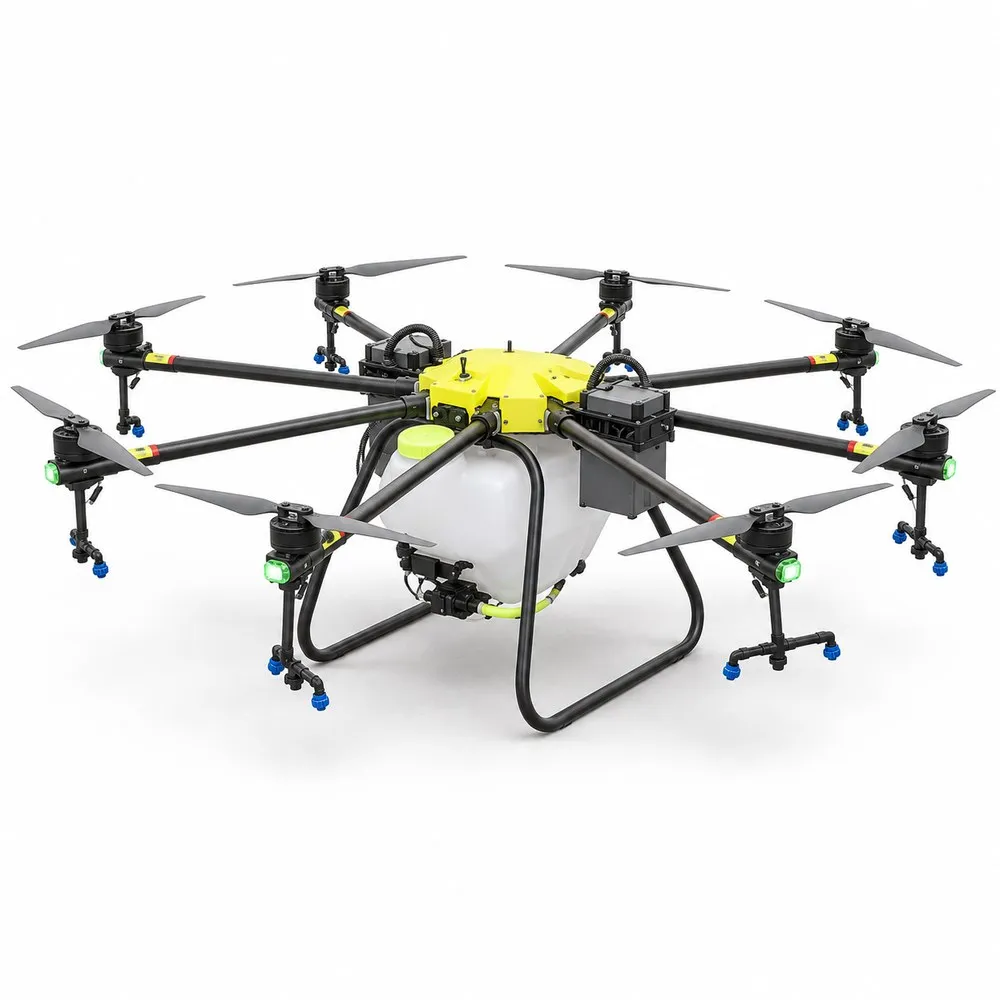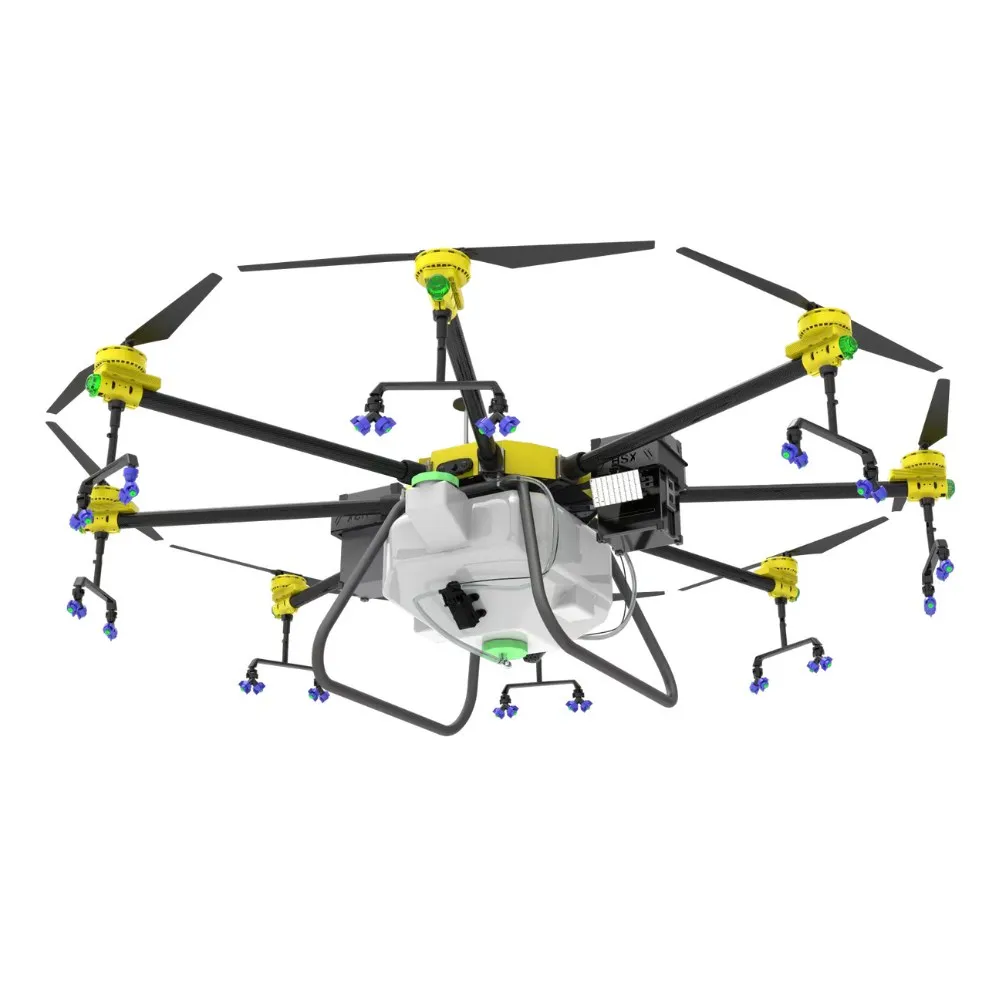
Short answer: A spray drone business needs three kinds of cover: general liability, chemical (spraying) liability and hull cover for the drone. Many normal policies exclude aerial spraying, so tell the insurer exactly what you will do. A Purdue Extension guide gives a US reference of about USD 4,000 to 5,000 a year in premium for a drone worth about USD 35,000. Prices elsewhere differ, so ask a local broker. This page is general information, not insurance or legal advice.
Why a spray drone is not an ordinary risk
A spray drone moves chemical over land that belongs to other people. It can hit a vehicle, a building or a person. Spray can drift to a neighbouring crop, an organic farm or a bee yard. The Purdue guide lists these cases and warns that owners who save on premium can lose their savings in one claim.
If you are building a service business, put insurance next to licence, training and the business plan. For rules on flight and pesticides, see our licence and permit guide.
The three parts of cover
| Cover | What it is for | Common trap |
|---|---|---|
| General liability | Injury or damage to other people and property | May exclude aircraft or aerial work |
| Chemical (spraying) liability | Claims from the product you apply, such as drift damage | Often sold separately; some insurers want proof of licence or training |
| Hull cover | Repair or replacement of the drone, batteries and kit | High excess; crash cause, water and battery fire may be limited |
Also ask about cover for equipment in transit, for theft from a vehicle, and for your staff (many countries have rules on worker injury).
What a sourced cost reference looks like
The Purdue guide says that only a few insurers write spray drone cover, and quotes premiums of USD 4,000 to 5,000 for a drone costing USD 35,000. That is roughly 11 to 14 per cent of the drone price per year. The guide is American, and the numbers are a reference, not a quote for your country. Use them only to understand the size of the cost.
Example: put insurance into your hourly cost (illustration)
Suppose insurance costs USD 4,500 a year and you plan 150 flying hours a season. Insurance adds about USD 30 per flying hour (4,500 ÷ 150). If you fly 100 hours, it is USD 45 per hour. This is a calculation example only. In your plan, add the real quote and your own hours. The earnings guide shows how to build the full cost per hour.
Questions to ask your broker
- Do you cover spray drones used with pesticides, fertiliser and granules? Is the cover in the policy or an extension?
- Is chemical drift cover included, and what is the limit per claim and per year?
- Is there a pilot licence, training or logbook condition?
- What is the excess (deductible) on hull cover?
- Are batteries and chargers covered, and are there rules for charging and storage?
- Are claims paid if the product label was not followed? What records will you need?
- Is cover valid in every region and country where you will work?
- Does the policy cover rented or leased drones and drones operated by hired pilots?
- Is there cover for damage to a trailer, truck or generator?
- How are claims reported, and how fast do you reply?
Ask for the answers in writing. If the broker does not understand spray drones, ask for one who works with aviation or agricultural risk.
What helps your price and your claim
- Training records and local licence papers (see the operator training guide).
- Flight logs and field maps saved for each job.
- Weather notes: wind, temperature and time (see wind and temperature limits).
- A maintenance log (see the maintenance schedule).
- A site safety routine: battery charging area, a person watching the airspace, no spraying near people.
If you are a dealer or importer
Dealers also need product liability and goods-in-transit cover, and they should ask whether customers’ use is covered. Add these to your distributor agreement discussion. We do not name or recommend insurers.
Next step
Choose the drone class first, then ask for insurance quotes on that exact model and use. The F52 and F72 are common choices for service teams. For quotation and support questions, use the contact page.