Short answer: Importing agricultural drones from China is a normal trade route, but the batteries need special handling. They are dangerous goods, so you need a forwarder who ships lithium batteries every week, a UN 38.3 test summary from the seller, and a customs agent in your country who knows the drone rules. Add time at the end for assembly and a first-flight check.
Step 1: understand what is in the box
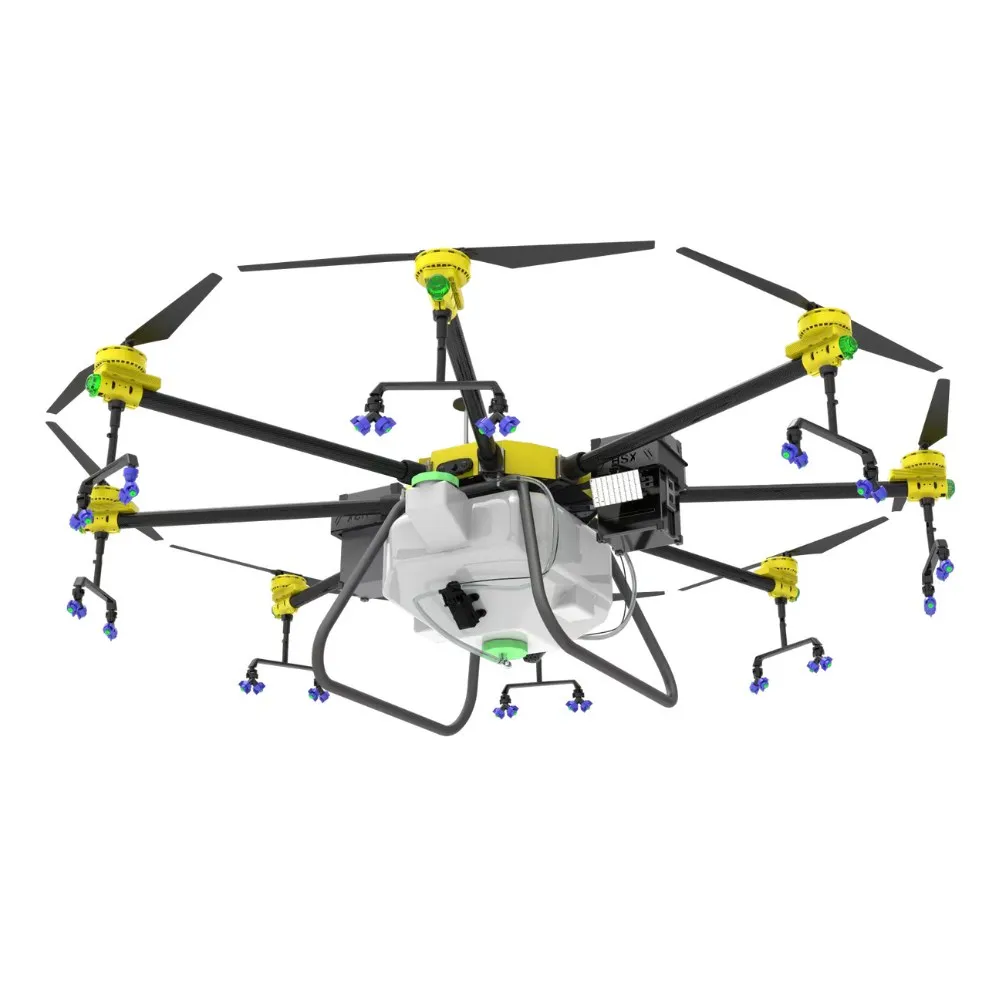
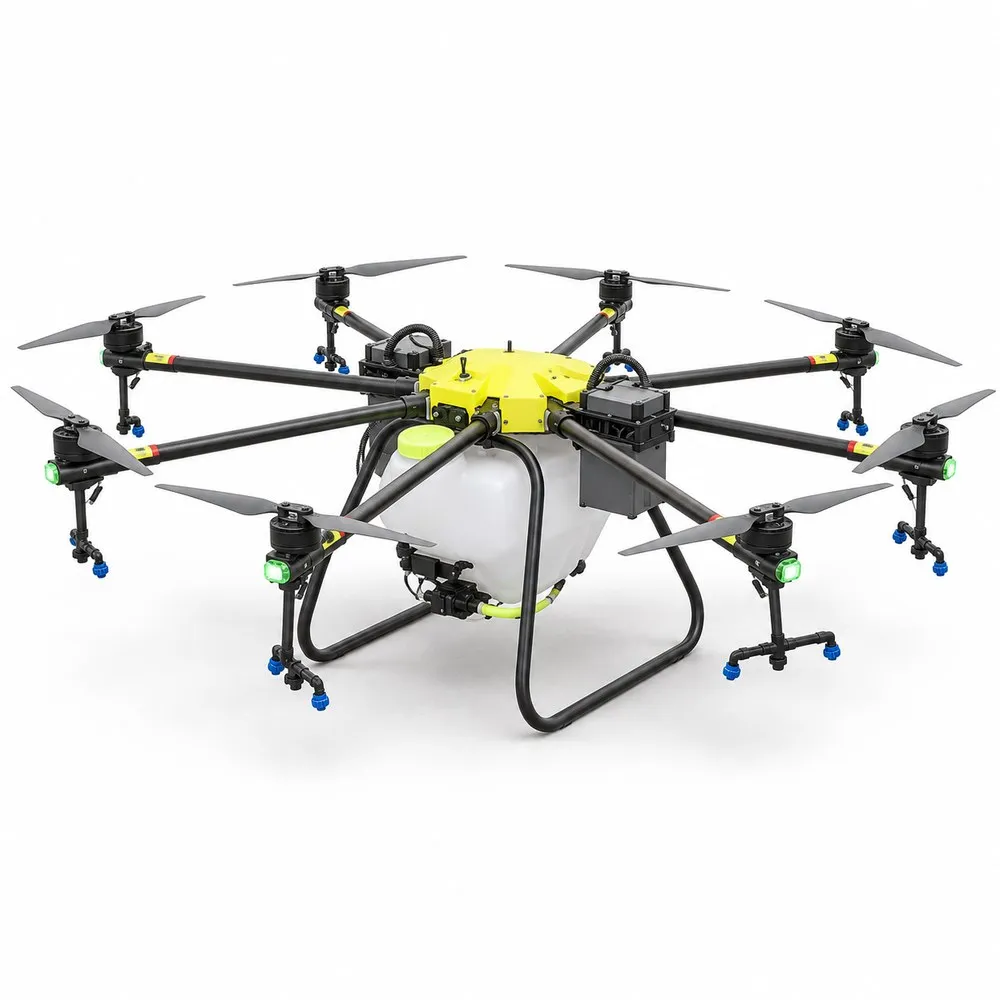
A spray drone shipment has four parts: the drone and tank, the batteries, the chargers and generator, and the spare parts. Only the batteries are classed as dangerous goods. For example, the F52 uses two 14S 28000 mAh batteries per flight. That is roughly 1.4 kWh for each battery (14 cells x 3.7 V x 28 Ah, a rough calculation). Batteries of this size are well above the small-battery limits, so treat every battery as full dangerous goods cargo.
Step 2: lithium battery rules
Lithium-ion batteries have two UN numbers. UN3480 is for batteries shipped alone. UN3481 is for batteries packed with equipment or installed in it. Both are class 9.
- Air freight. IATA says that from 1 January 2026, batteries packed with equipment must also be at a state of charge of 30 % or lower, in line with the older rule for batteries shipped alone. Standalone batteries also carry a cargo-aircraft-only label.
- Test summary. Carriers ask for the UN 38.3 test summary for each battery type. Get it from the seller before the order is confirmed.
- Sea freight. Batteries go as class 9 under the IMDG Code. Packing and labels are still required. Ask your forwarder which carriers on your route accept them.
- Packing. Batteries should be packed by the exporter in approved packaging, protected against short circuit and movement.
Do not ask a general freight company to “just add the batteries”. Rules change every year, and a refused shipment costs weeks. Always check the current edition of the rules with your forwarder.
Step 3: air, sea or courier
| Option | Transit time (typical) | Cost | Best for |
|---|---|---|---|
| Air freight | Days to about two weeks including handling | Highest | One or two demo units, urgent spare batteries |
| Sea freight (LCL) | Weeks, depends on port | Medium | Small dealer orders |
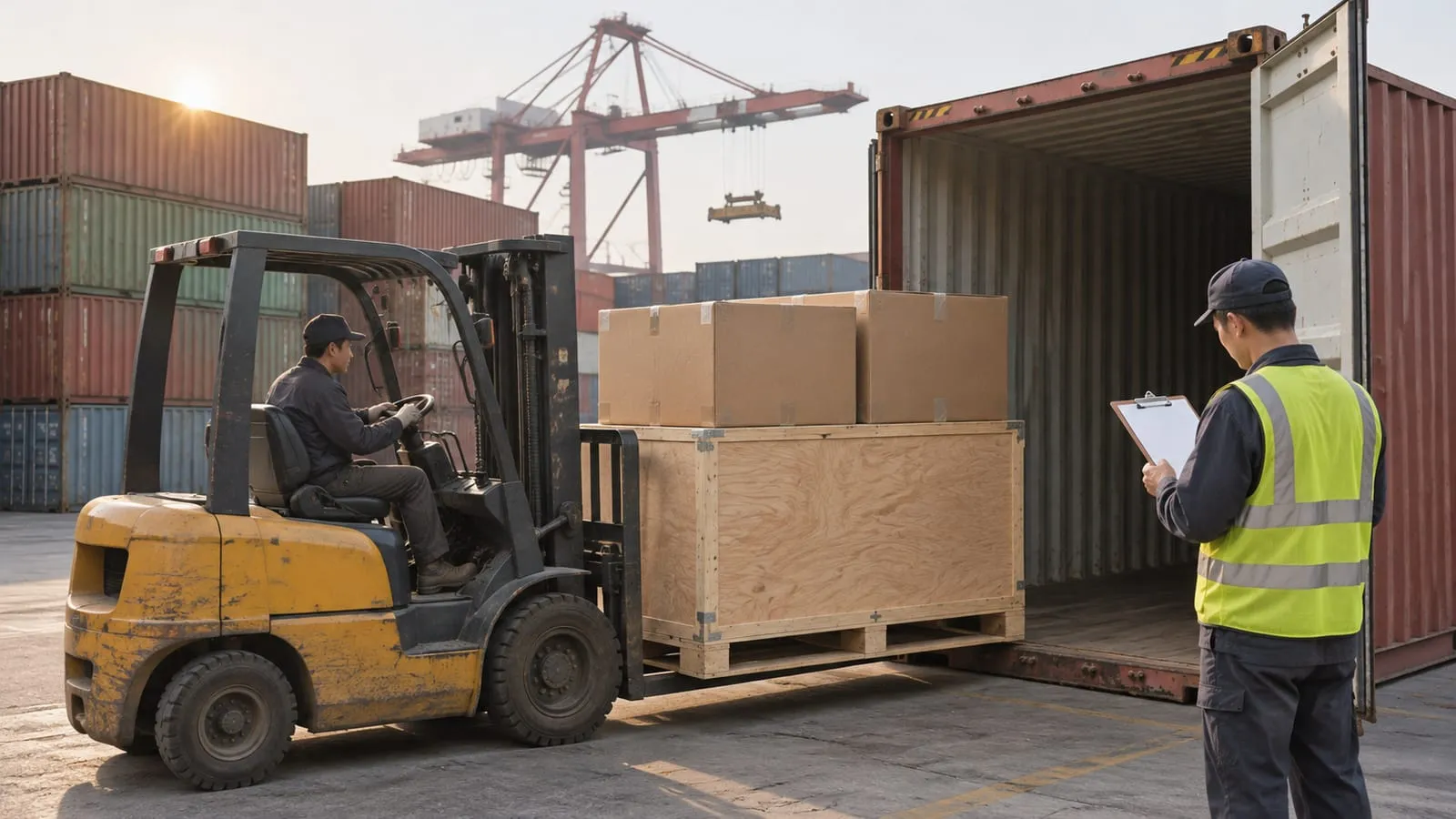
| Sea freight (full container) | Weeks, depends on port | Lowest per unit | Dealer stock, many drones at once |
Transit times depend on the route, so ask the forwarder for a written estimate. Stock for a dealer is usually moved by sea. Samples and urgent parts go by air.
Step 4: customs documents
Your customs agent will usually ask for:
- Commercial invoice with a clear description of each item and its value.
- Packing list with weights and sizes.
- Bill of lading or air waybill.
- Dangerous goods declaration and UN 38.3 test summary for the batteries.
- Certificates asked for by your country, for example CE or other conformity papers, and any drone import permit.
- Technical documents such as the manual and the specification sheet.
Civil drones sit under heading 8806 of the Harmonized System, but sub-codes and duty rates are national. Duty, VAT and any import licence must be confirmed with your customs agent. Do not take rates from a website. Also check who must approve the import: in some countries the civil aviation authority, the agriculture ministry or the communications regulator are involved.
Step 5: a landed cost example
The numbers below are an example only, to show the structure. Replace every value with your quotes.
| Cost item | Example value |
|---|---|
| Goods price (FOB) | G |
| Sea freight and insurance | F |
| Duty and taxes (rate set by your customs agent) | (G + F) x rate |
| Port, customs agent, local transport | L |
| Landed cost | G + F + duty + L |
If G is 100,000 USD, F is 6,000 USD, the duty and tax rate is 10 % and L is 4,000 USD, the duty is 10,600 USD and the landed cost is 120,600 USD, or 20.6 % more than the goods price. This is only a worked example, not a real rate for any country.
Step 6: after arrival
Folded drones must be unpacked, assembled and checked. Plan a charging place with the right power, a flat test area and a trained pilot. Check every battery for damage, check the firmware, calibrate sensors and fly an empty test before the first spray job. Our support page explains training, manuals and spare parts, and dealers get repair training. If you plan to sell drones, read the dealer programme before you order the first container.
For a quotation, tell us your port, the models you want, the number of battery sets and your preferred shipping term, through the contact page. Terms and prices are agreed per order.