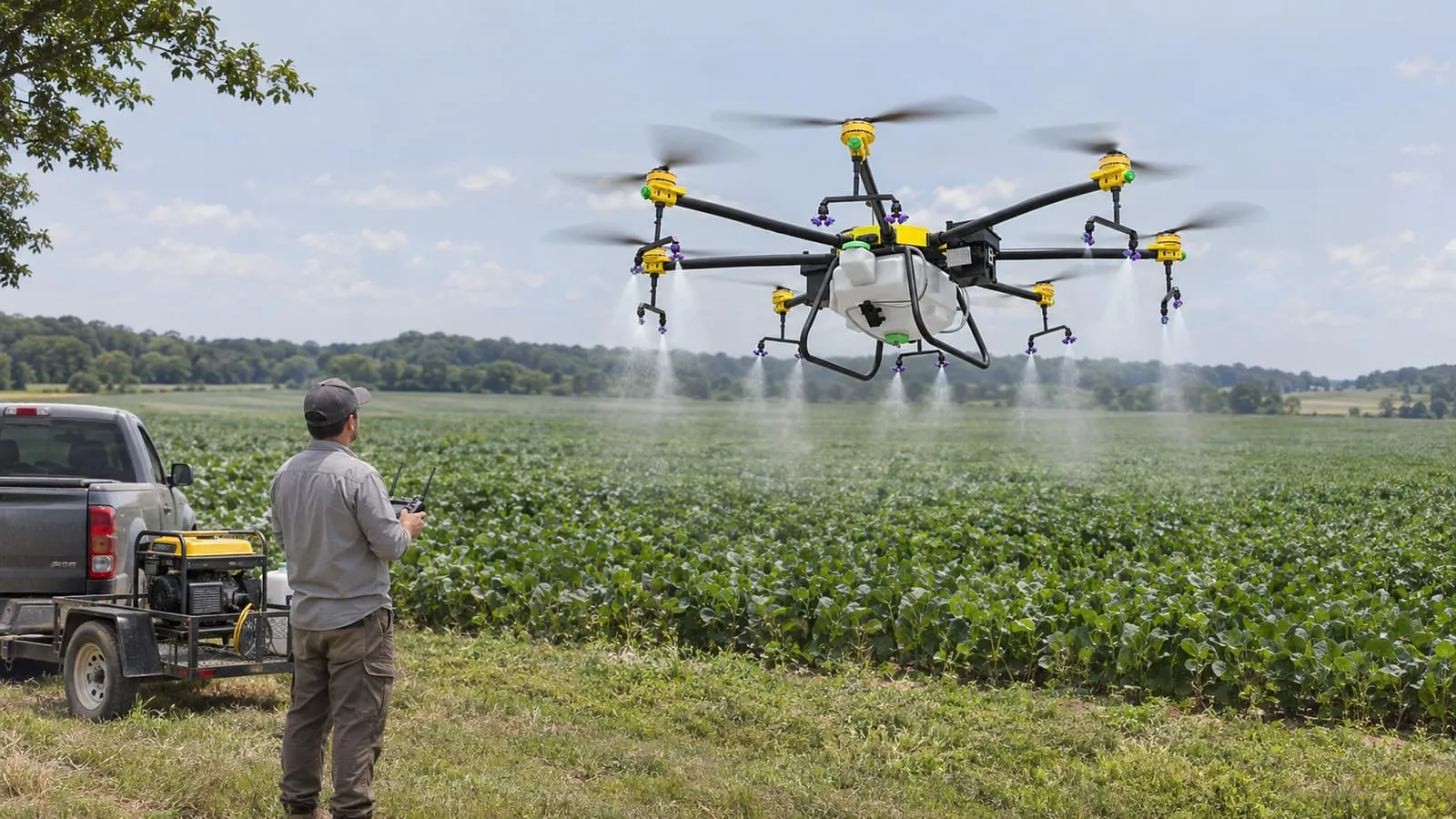
Short answer: Drone spraying is usually sold per acre or per hectare. A University of Missouri study used US$16 per acre (about US$39.5 per hectare) as the current custom rate, and University of Kentucky material cites US$5–8 per acre for ground sprayers and US$10–40 per acre for aircraft. Use public rates only as a check. Set your own price with the formula below: cost per hectare divided by one minus your target margin.
Reference rates
Rates change by country, crop, chemical, field size and season. Use the table as a starting point for market research, not as your price list.
| Method | Reference rate | Source |
|---|---|---|
| Ground sprayer | US$5–8 per acre | University of Kentucky |
| Aircraft | US$10–40 per acre | University of Kentucky |
| Custom drone application | US$16 per acre (about US$39.5 per ha) | University of Missouri |
These are US figures from university publications. Labour, fuel and land patterns differ in other regions, so find out what operators near you charge.
The formula
Your price per hectare comes from four steps.
- Fixed cost per year. Drone and accessories divided by years of use, plus insurance, software and repairs.
- Hectares per year. Your realistic area, not the best case.
- Variable cost per hectare. Labour, power, battery wear, transport.
- Margin. Price = (fixed cost per ha + variable cost per ha) ÷ (1 − margin).
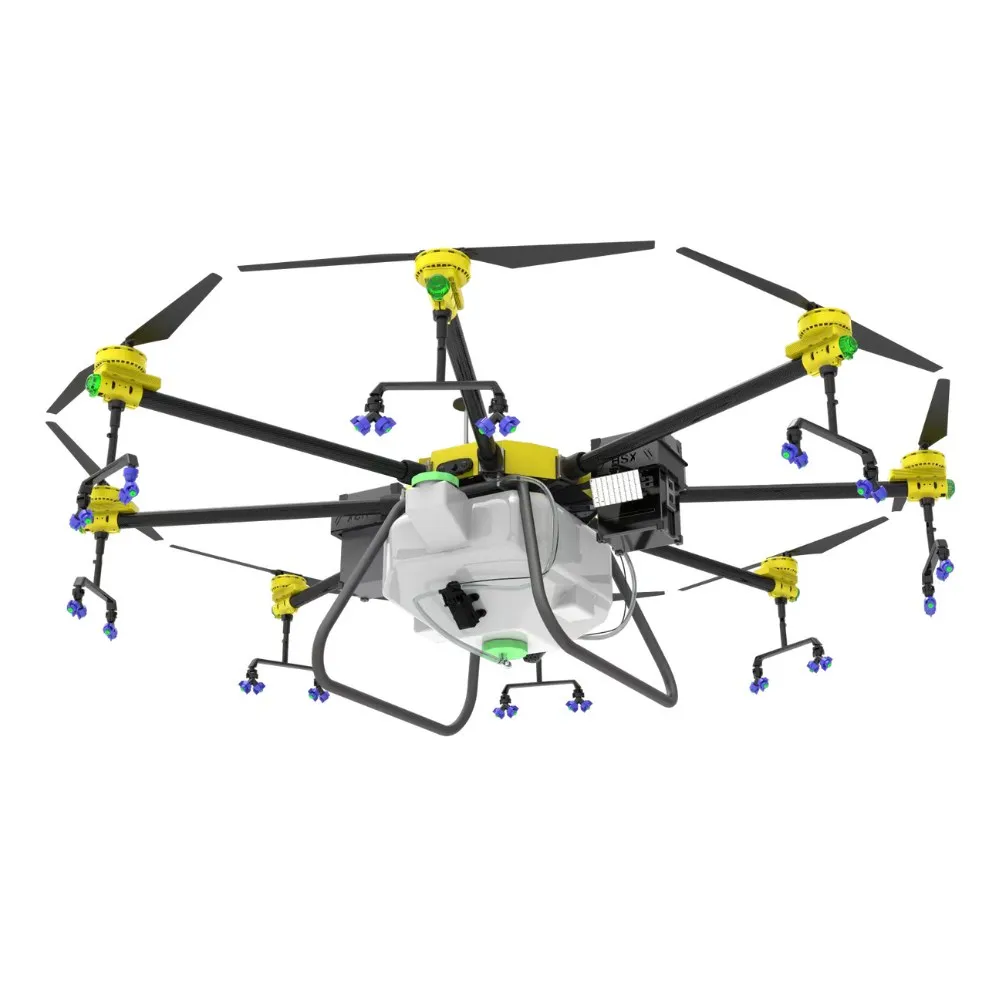
Hectares per hour matter most. A rough planning figure for a drone is its effective swath in metres multiplied by 1.08, which uses 6 m/s flight speed and a 50 % field efficiency. For example, the F72 with a 12 m effective swath gives about 13 ha per hour. The field crops page has a calculator where you can try your own numbers.
Worked example
This is an example for method only. The numbers are not a quotation or a promise.
- Equipment package: US$30,000, used for 3 years, so US$10,000 per year.
- Insurance, software and repairs: US$2,000 per year.
- Area sprayed: 800 ha per year.
- Fixed cost per hectare: (10,000 + 2,000) ÷ 800 = US$15.
- Variable cost per hectare: labour US$1.3, power and battery wear US$2, transport US$1, so US$4.3.
- Total cost: US$19.3 per hectare, or about US$7.8 per acre.
- Target margin 30 %: price = 19.3 ÷ 0.7 = US$27.6 per hectare, or about US$11.2 per acre.
Now check the market. If neighbours charge US$12 per acre, your price is in range. If they charge US$6, you need more hectares per year or lower costs before you can compete.
What changes the price
- Field size. Small, scattered fields cost more per hectare because of travel and setup time.
- Spray volume. A high litres-per-hectare rate means more refills and fewer hectares per hour.
- Terrain and crop height. Slopes, trees and obstacles slow the work.
- Distance. Add a fee when the field is far from your base.
- Mixing and water supply. Charge extra if you mix chemicals or carry water.
- Season. Demand peaks in a few weeks. Many operators set a higher rate or a booking deposit for the peak.
Which drone for which service
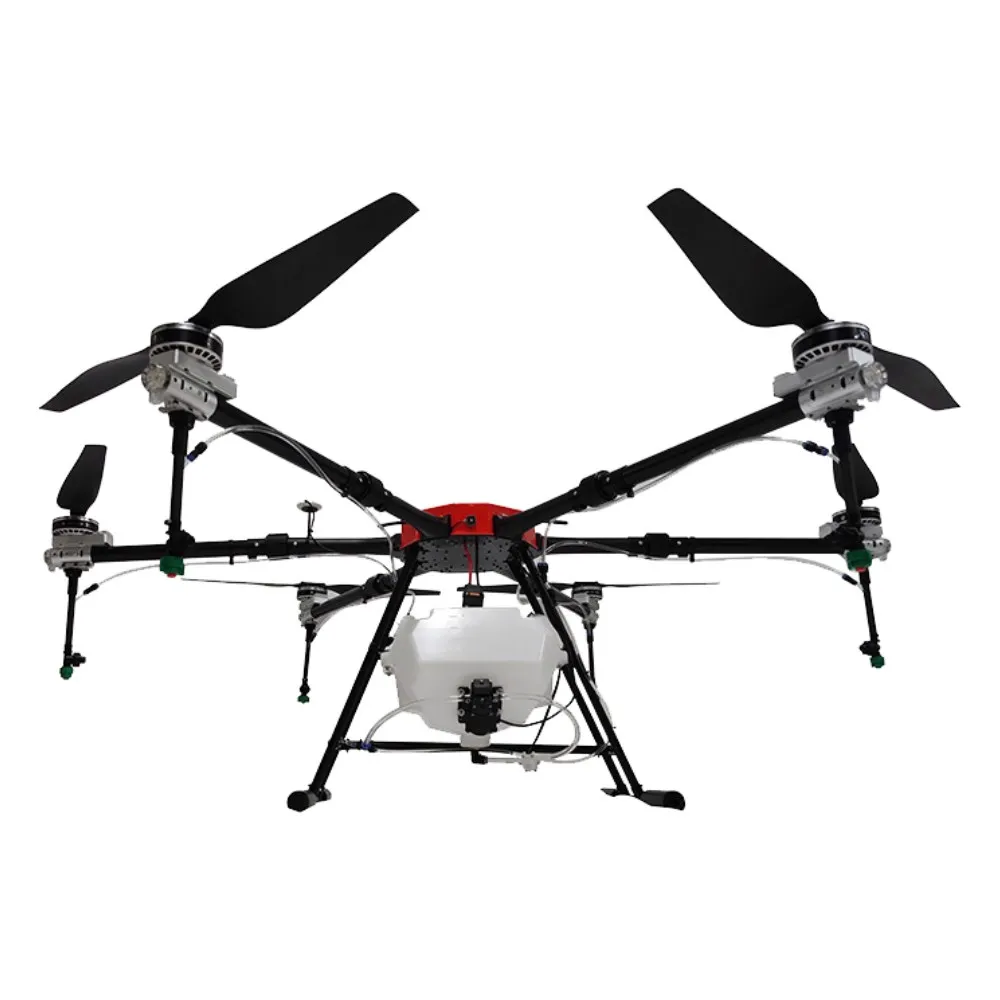
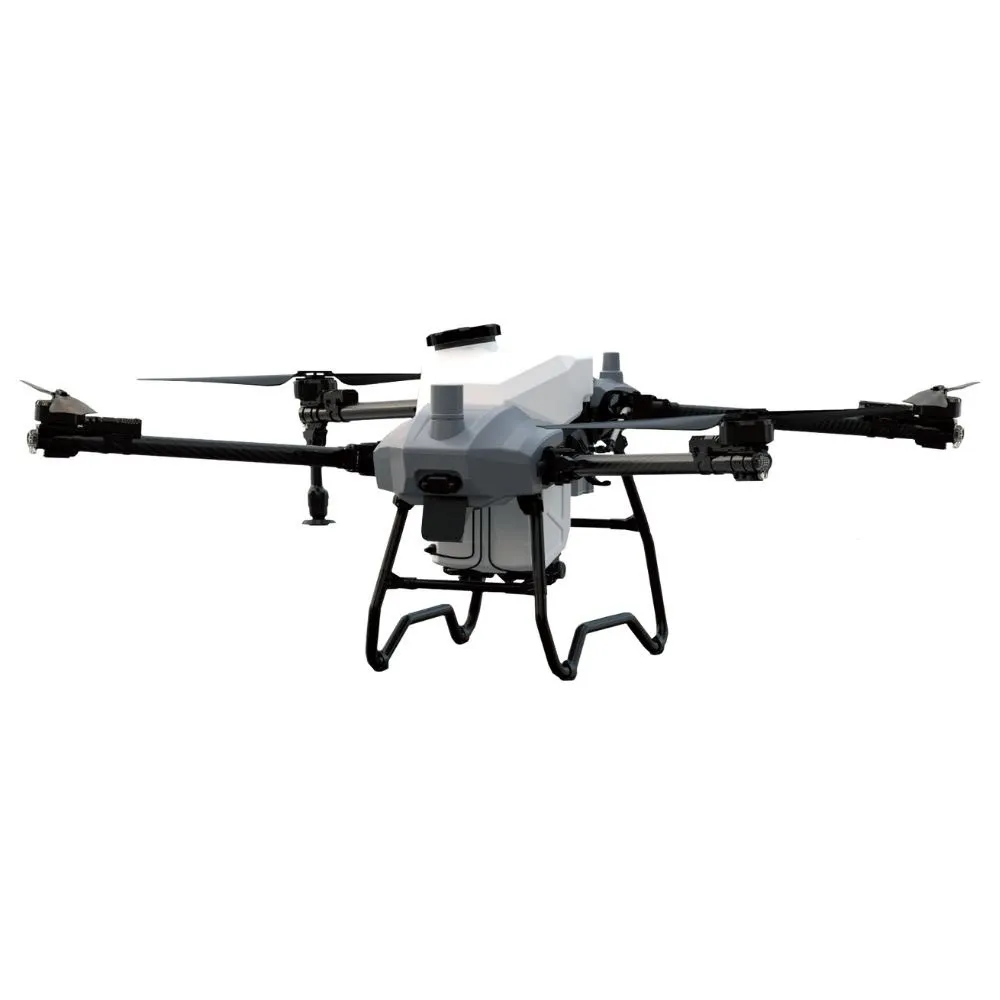
Small fields and orchards suit light drones such as the F10-30 series. Medium and large open fields suit the F62/F50 or the F72, which finish more hectares per day. Read the spray service business guide for the full setup, or ask for a quotation for the model and battery set that fit your first season. Prices and terms are agreed in the quotation.